The Ultimate Guide to Smart Gardening Technology: Transforming Your Plant Care
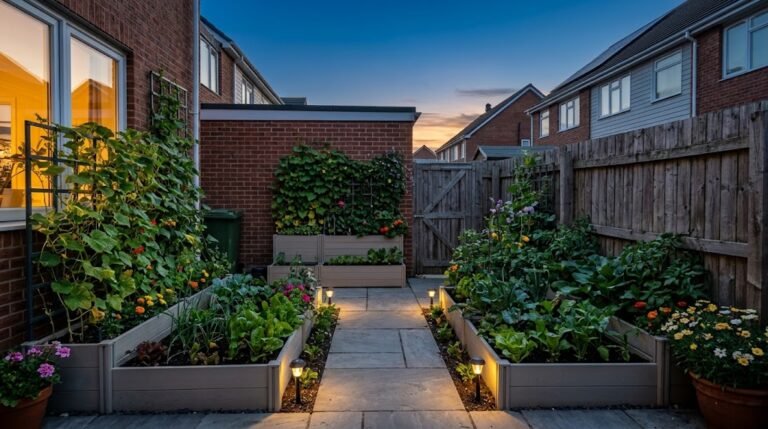
Gone are the days of guessing when your plants need water or sunlight. The rise of smart gardening technology has revolutionized how we care for our indoor houseplants and outdoor vegetable patches.
Whether you are a seasoned horticulturist or a beginner trying to keep your first Monstera alive, integrating gardening tech into your routine removes the guesswork, saves time, and ensures your plants thrive year-round. In this comprehensive guide, we will explore the best smart garden devices and how you can automate your green space.
What is Smart Gardening Technology?
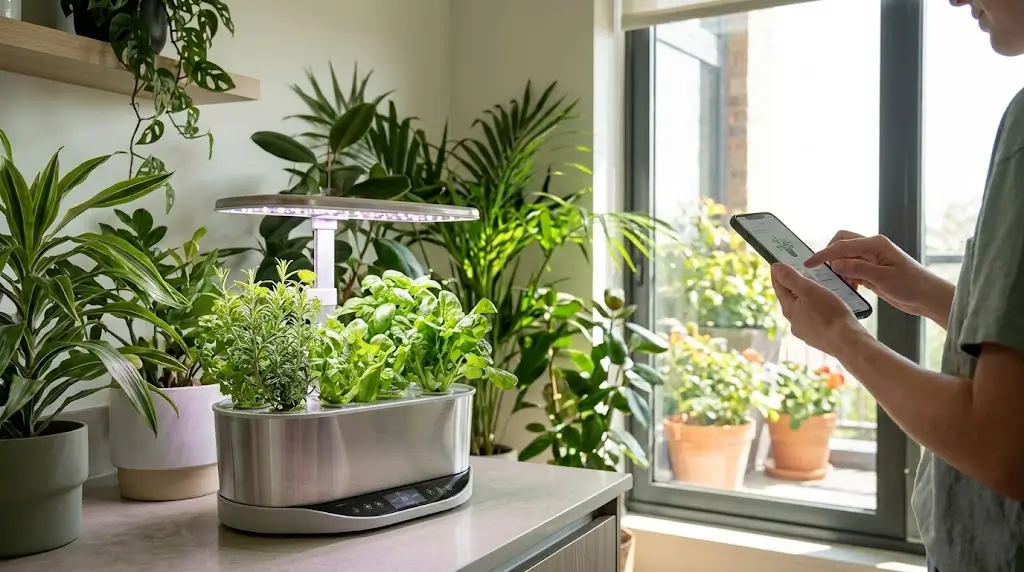
Smart gardening technology refers to any device, sensor, or automated system designed to monitor, manage, and optimize plant growth. By utilizing Wi-Fi, Bluetooth, and real-time data, these devices connect directly to your smartphone, providing actionable insights into your garden’s health.
Instead of relying on a strict (and often inaccurate) watering schedule, smart garden tech allows you to respond to the actual real-time needs of your soil and environment.
Essential Smart Garden Devices for Beginners
If you are looking to build an automated plant care system, you don’t need to transform your entire yard overnight. Start with these foundational pieces of gardening tech:
1. Smart Soil Monitors
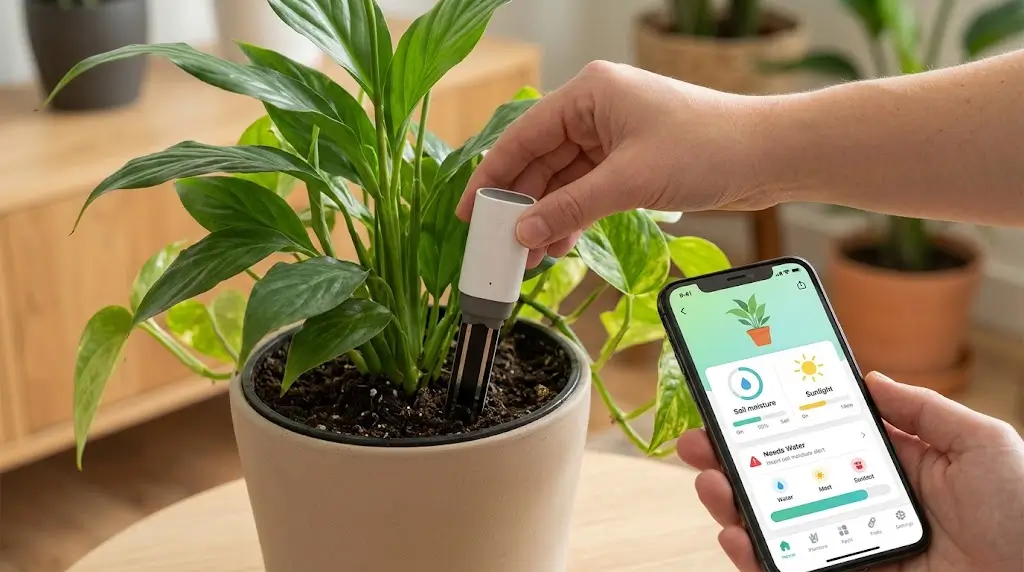
A smart soil monitor is arguably the most valuable tool for any plant parent. You stick the sensor directly into the soil, and it measures moisture levels, ambient temperature, light intensity, and even fertilizer nutrient levels.
When your plant gets thirsty or needs more sunlight, the monitor sends a push notification directly to your phone via a dedicated gardening app.
2. Automated Smart Irrigation Systems
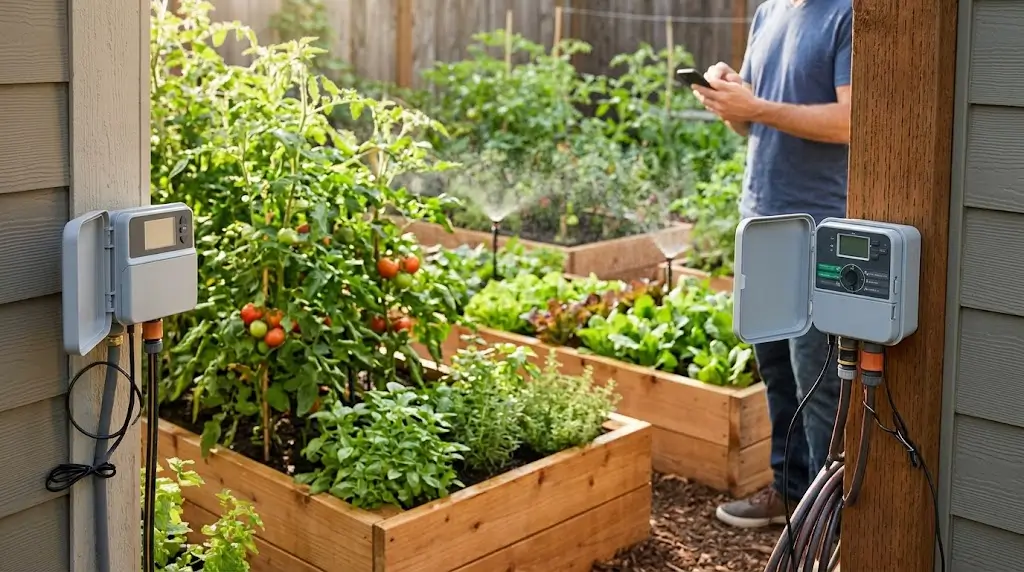
For outdoor gardens and raised vegetable beds, smart irrigation controllers connect to your local weather forecasts via Wi-Fi. If it is going to rain tomorrow, the system automatically skips the watering cycle, saving you money on your water bill and preventing root rot.
3. Indoor Smart Planters and Hydroponics
Don’t have a backyard? No problem. All-in-one smart planters use hydroponic (soil-free) technology combined with automated LED grow lights. These self-contained units tell you exactly when to add water and liquid plant food, making it virtually impossible to fail at growing fresh herbs, tomatoes, or lettuce in your kitchen.
The Benefits of Upgrading to a Smart Garden
Why should you invest in tech for an activity that is traditionally hands-on?
- Prevents Overwatering: Overwatering is the #1 killer of houseplants. Smart sensors ensure you only water when the soil is genuinely dry.
- Saves Resources: By syncing with weather data, automated sprinklers drastically reduce water waste.
- Remote Monitoring: Going on vacation? You can check your garden’s health from anywhere in the world and even trigger a watering cycle remotely.
- Data-Driven Growth: Eliminate the guesswork. Give your plants exactly the light and nutrients they need for maximum yield and vibrant foliage.
How to Start Your Tech-Enabled Garden
Transitioning to a smart garden is incredibly easy. We recommend starting small:
- Assess Your Needs: Are your indoor succulents dying, or is your outdoor lawn struggling? Choose your tech based on your biggest pain point.
- Buy a Wi-Fi Soil Sensor: Start with a single Bluetooth or Wi-Fi soil monitor for your most sensitive plant.
- Download a Plant Care App: Many apps use AI image recognition to identify pests and diseases while keeping track of your watering history.
Frequently Asked Questions (FAQ)
(SEO Tip: Including an FAQ section helps you win Google’s “People Also Ask” rich snippets!)
Do smart soil sensors really work?
Yes. High-quality smart soil sensors use electrical conductivity to give highly accurate readings of soil moisture and nutrient levels, which are much more reliable than the traditional “finger test.”
Do I need Wi-Fi for smart gardening?
While many advanced automated irrigation systems require a 2.4GHz Wi-Fi connection to pull weather data, there are plenty of Bluetooth-only soil monitors that sync directly to your phone when you are standing near the plant.
Are smart gardens eco-friendly?
Absolutely. By delivering precise amounts of water and preventing fertilizer runoff, smart garden systems are highly sustainable and environmentally friendly.
(End of Article)