Home garden ideas 7 best smart tech layouts
Did you know that implementing automated technology and strategic landscaping into your backyard can reduce household water consumption by up to 50% while simultaneously increasing your plant yield? For many homeowners, planning a landscape upgrade can feel overwhelming, often resulting in high-maintenance lawns or withered vegetable beds. Fortunately, executing the best home garden ideas no longer relies on trial and error. By fusing foundational horticulture with modern smart gardening technology, you can create an autonomous, breathtaking outdoor sanctuary that practically cares for itself. In this comprehensive guide, we will explore the ultimate strategies for designing, planting, and automating your landscape to create a high-yield, low-effort backyard oasis.
Quick Answer:
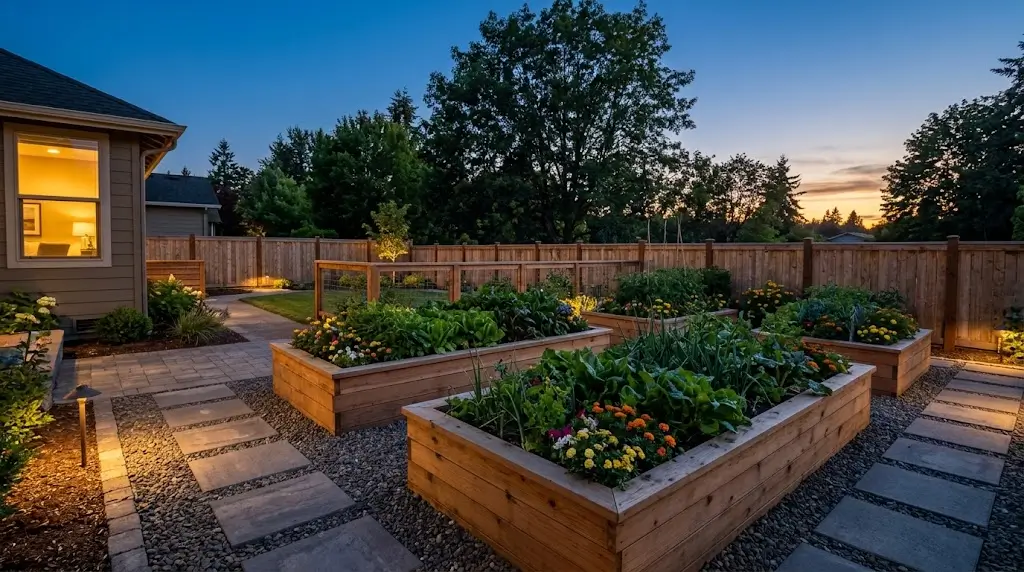
The most successful modern home garden ideas combine raised bed landscaping with automated drip irrigation and Wi-Fi-enabled soil sensors. By strategically mapping your yard’s microclimates and using smart tech to deliver precise watering, you create a sustainable, low-maintenance environment that maximizes plant health and aesthetic appeal.
Materials and Supplies List
Building a resilient and beautiful outdoor space requires selecting premium materials that support both plant biology and digital hardware. Choosing the right foundational elements prevents structural rot, poor drainage, and tech failures down the line.
- Raised Bed Materials: Western Red Cedar, Corten steel, or composite recycled plastic boards. Cedar is naturally rot-resistant, while Corten steel provides a stunning modern industrial aesthetic that lasts for decades.
- Premium Soil Mixture: A tailored soil mix consisting of 1/3 coarse vermiculite (for aeration), 1/3 peat moss or sustainable coco coir (for moisture retention), and 1/3 blended organic compost (for essential nutrients).
- Smart Irrigation Tubing: 1/2-inch poly tubing for the main water delivery line, paired with 1/4-inch drip emitter lines to deliver water directly to the root zones.
- Organic Fertilizers: Slow-release granular fertilizer, worm castings, and liquid kelp extract for nutrient boosts during the peak growing season.
- Eco-Friendly Substitutions: Instead of purchasing expensive new lumber for raised beds, upcycle untreated heat-stamped (HT) wooden shipping pallets. Replace synthetic chemical fertilizers with a homemade compost bin system to recycle kitchen scraps into rich, organic plant food.
Tools and Equipment Required
Whether you are constructing a smart vegetable patch or a biophilic patio retreat, having the proper tools ensures your project is built to last and functions flawlessly.
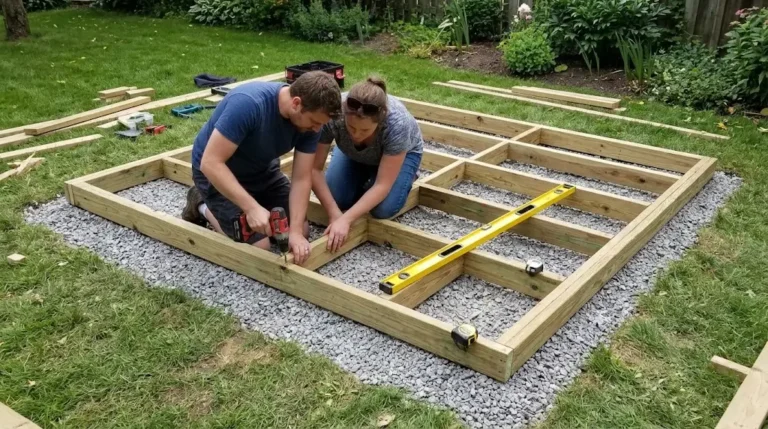
- Construction and Layout Tools: A cordless impact driver, a 24-inch spirit level, a heavy-duty steel measuring tape, and a rubber mallet for assembling raised beds or driving stakes.
- Smart Technology Hubs: A Wi-Fi-enabled smart hose timer to automate your watering schedules based on hyper-local weather forecasts.
- Soil Monitoring Equipment: Bluetooth or Wi-Fi soil moisture and nutrient sensors that push real-time environmental data directly to your smartphone.
- Horticultural Tools: A carbon steel Hori-Hori weeding knife, titanium bypass pruning shears for clean cuts, and a heavy-duty digging spade.
- Tech Installation Gear: Waterproof silicone wire connectors, zip ties, and UV-resistant conduit to safely hide and protect the wiring for outdoor smart sensors and landscape lighting.
Project Time & Growth Timeline
Implementing high-tech home garden ideas is a front-loaded investment of your time. Once the infrastructure is established, the ongoing maintenance drops significantly compared to traditional landscaping.
- Active Setup Time: 1 to 2 weekends. Constructing raised beds and moving soil will take a full weekend. Running the drip irrigation lines, syncing the smart timers, and planting your initial crops or ornamentals will take a second weekend.
- Ongoing Maintenance Time: Utilizing a smart watering monitor reduces manual hydration check times by up to 80%. Expect to spend just 20 to 30 minutes a week pruning, harvesting, and checking your smartphone app for low-battery alerts on your sensors.
- Expected Growth Timeline: Fast-growing leafy greens and radishes can be harvested in as little as 30 to 45 days. Ornamental shrubs and perennial flowers will take a full growing season to establish deep roots, showing their true explosive growth in their second spring.
Step-by-Step Guide
1. Map Your Yard’s Microclimates
Before purchasing a single seed or sensor, map your yard’s natural environment. Spend a day tracking how the sun moves across your property. Note which areas receive 8+ hours of full sun (perfect for tomatoes, peppers, and solar panels) and which areas stay in deep shade (ideal for ferns, hostas, and outdoor seating).
2. Build and Fill the Raised Beds
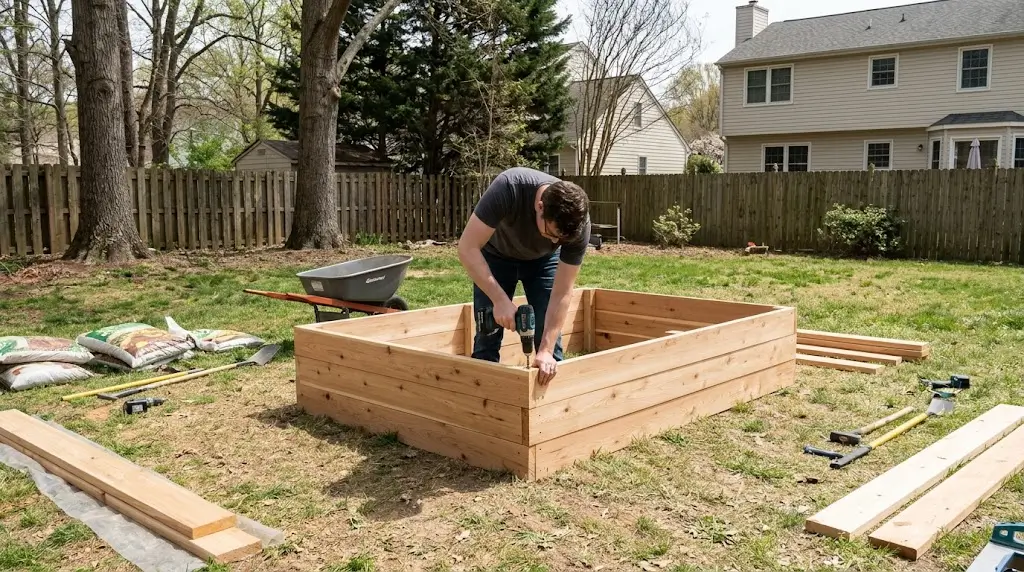
Assemble your raised beds on level ground. Place a layer of unprinted cardboard directly over the grass at the bottom of the bed; this eco-friendly weed barrier will naturally decompose while smothering invasive grass. Fill the beds with your premium, well-aerated soil mixture, ensuring you leave about two inches of space at the top to accommodate future mulch and prevent water runoff.
3. Install Automated Drip Irrigation
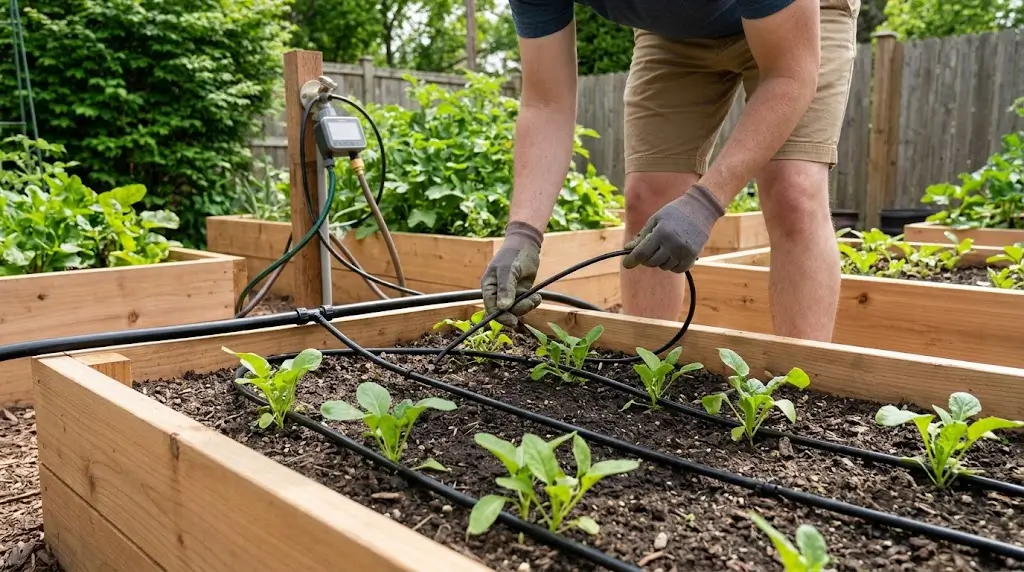
Run your main 1/2-inch poly tubing from your outdoor spigot to your garden beds. Attach your Wi-Fi smart hose timer directly to the spigot. Snake 1/4-inch drip lines with integrated emitters every 6 to 12 inches through your planting rows. This method delivers water directly to the soil, eliminating evaporation and keeping plant foliage dry to prevent powdery mildew.
4. Deploy Smart Soil Sensors
Sync your wireless soil moisture sensors to your home network. Bury the metallic prongs directly into the root zone of your most water-sensitive plants. Program your smart hub so that the irrigation system only triggers when the soil moisture drops below a specific threshold (e.g., 30%), rather than watering blindly on a set schedule.
5. Execute the Planting Strategy
Plant your selected crops or ornamentals according to their ultimate mature size, not their current seedling size. Group plants with similar water and light requirements on the same irrigation zone (hydro-zoning). Water them in thoroughly by hand on the first day to settle the soil around the roots before turning the system over to your automated smart timer.
Plant Requirements & Technical Specs
To ensure your high-tech landscape thrives, you must perfectly align the biological needs of your plants with the technical capabilities of your hardware:
- Sunlight Needs: “Full Sun” requires a minimum of 6 to 8 hours of direct, unobstructed sunlight daily. “Partial Shade” means 3 to 6 hours, preferably in the cooler morning.
- Watering and Drainage: Most vegetable and ornamental roots suffocate in standing water. Ensure your raised beds have adequate drainage. Drip irrigation should be run deeply and infrequently (e.g., 45 minutes twice a week) rather than a shallow sprinkle every day, which encourages weak, shallow root systems.
- Soil pH: Use a digital pH meter to test your soil. Most vegetables prefer a slightly acidic pH between 6.0 and 6.8. Blueberries require highly acidic soil (4.5 to 5.5), while lavender prefers neutral to slightly alkaline conditions (7.0 to 7.5).
- Device Connectivity: Your smart garden timer and soil sensors must have a strong 2.4GHz Wi-Fi signal. Standard 5GHz bands do not penetrate exterior brick walls effectively. You may need to install an outdoor-rated weatherproof Wi-Fi mesh extender to keep your garden online.
Alternative Methods & Eco-Friendly Options
If standard raised beds and synthetic technology do not align with your vision, there are highly sustainable, permaculture-based alternatives that work beautifully:
- Hugelkultur Mounds: An ancient German method where you bury rotting logs, branches, and compostable debris under a mound of soil. As the wood decays over the years, it acts as a massive sponge, retaining rainwater and generating heat, drastically reducing the need for artificial irrigation and fertilizers.
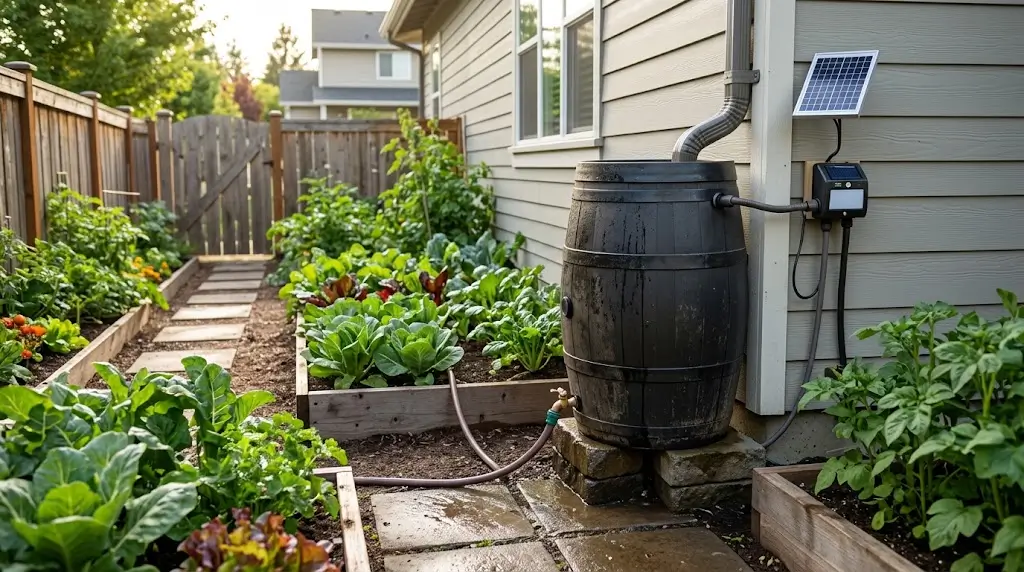
- Rainwater Harvesting: Instead of using municipal tap water, install a 50-gallon rain barrel connected to your gutter downspouts. Equip the barrel with a solar-powered smart pump to push the harvested rainwater through your drip irrigation lines, creating a completely off-grid watering system.
- No-Till Gardening: Instead of rototilling the earth and destroying the natural fungal mycorrhizal networks, simply layer heavy compost and organic mulch on top of the soil every autumn. The earthworms will naturally till the nutrients down into the root zones for you.
Placement and Companion Planting Suggestions
Strategic placement of your flora creates a self-sustaining ecosystem that naturally repels pests and encourages vigorous growth.
- Tech Placement: Always install your smart weather station or rain sensor in a completely open area, away from roof overhangs or dense tree canopies, to ensure accurate precipitation readings.
- The Three Sisters Method: Utilize indigenous companion planting techniques by growing corn, climbing beans, and squash together. The corn provides a natural trellis for the beans, the beans fix nitrogen in the soil, and the large squash leaves act as a living mulch to retain moisture and block weeds.
- Pest-Repelling Borders: Plant a thick border of pungent herbs and flowers like Marigolds, Nasturtiums, Basil, and Rosemary around your delicate vegetable beds. The strong essential oils naturally confuse and repel aphids, tomato hornworms, and whiteflies without the need for toxic chemical pesticides.
Common Mistakes to Avoid
Even the most beautiful landscape designs can fail if foundational rules are ignored. Avoid these frequent and costly horticultural errors:
- Overcrowding Plants: It is incredibly tempting to pack seedlings closely together to make a bed look “full” immediately. However, as plants mature, overcrowding restricts airflow, creating a humid microclimate that guarantees catastrophic fungal diseases like blight and rust. Always follow the spacing guidelines on the seed packet.
- Ignoring Hardiness Zones: Buying a gorgeous tropical Hibiscus for a permanent outdoor landscape in a freezing climate (like USDA Zone 4) is a waste of money. Always cross-reference your specific USDA Hardiness Zone before purchasing perennial plants or expensive fruit trees.
- Setting and Forgetting Tech: Smart irrigation timers are brilliant, but they are not infallible. If a localized summer thunderstorm dumps two inches of rain on your yard but misses the weather station at your local airport, your smart timer might still water your flooded garden. Always physically verify soil moisture during extreme weather events.
Maintenance and Long-Term Care Tips
To protect your botanical investments and keep your high-tech horticulture hub functioning seamlessly, implement this seasonal maintenance routine:
- Sensor Calibration and Cleaning: At the start of every spring, wipe down the metal prongs of your soil moisture sensors with fine steel wool and rubbing alcohol. Mineral scale buildup from hard water will cause the sensors to send inaccurate, overly dry readings to your smartphone.
- Winterizing Smart Irrigation: Before the first hard freeze of winter, you must disconnect your smart hose timers and bring them indoors. Water freezing inside the plastic valves will crack the manifold and destroy the internal circuitry. Use an air compressor to blow out the remaining water in your drip lines.
- End-of-Season Soil Recharging: After the fall harvest, your soil will be depleted of nutrients. Top-dress all of your garden beds with two inches of fresh organic compost and a thick layer of shredded autumn leaves. This protects the soil microbiome during the winter and breaks down into rich humus by spring.
Conclusion
Transforming your outdoor space is easier than ever when you combine sustainable horticulture with modern technology. By implementing these smart layouts and automated systems, you guarantee a thriving, low-maintenance landscape that yields beautiful results year after year.
Ready to bring your home garden ideas to life? Try building your ultimate backyard setup today, share your photos in the comments below, and subscribe for more Smart Gardening and Tech updates!
FAQs
Can I run a smart drip irrigation system without outdoor Wi-Fi?
Yes. If your Wi-Fi signal does not reach your garden, you can purchase Bluetooth-enabled hose timers. You will need to be physically standing within 30 to 50 feet of the timer to update schedules or download data using your smartphone, but the timer will still reliably execute the stored watering program autonomously.
How do I keep rabbits and deer out of my new garden?
While smart motion-activated sprinklers can deter some pests, physical barriers are the only foolproof method. Install a heavy-duty galvanized hardware cloth fence buried at least 6 inches into the ground to stop digging rabbits. For deer, a fence must be at least 7 to 8 feet tall, as they can easily clear standard residential fencing.
What is the best way to control weeds in a smart garden bed?
The most effective, chemical-free weed control is a thick layer of organic mulch. Apply 2 to 3 inches of cedar mulch, pine straw, or untreated wood chips over the exposed soil. This completely blocks the sunlight required for weed seeds to germinate and hides your unsightly black drip irrigation tubing from UV degradation.