Indoor plants 7 Best Care Tips For Your Smart Jungle
Did you know that integrating living greenery into your home workspace can increase productivity by 15% while simultaneously purifying the air of common household toxins? Despite these incredible benefits, many aspiring horticulturists struggle with the infamous “brown thumb,” repeatedly watching their expensive tropical foliage wither and drop leaves. However, successfully cultivating vibrant indoor plants is no longer a guessing game left to chance or intuition. By combining foundational botany with modern smart gardening technology, you can create a perfectly optimized microclimate in your living room. In this extensive guide, we will dive deep into the exact soils, automated lighting, and watering techniques required to transform your home into a thriving, self-sustaining indoor jungle.
Quick Answer:
Thriving indoor plants require a well-aerated potting mix, appropriate bright indirect sunlight, and a consistent watering schedule dictated by soil moisture rather than a calendar. By integrating smart soil monitors and automated LED grow lights, you can completely eliminate the guesswork and ensure your house jungle flourishes year-round.
Materials and Supplies List
Building a sustainable indoor garden starts with the right foundational ingredients. Using the dense, generic soil from the hardware store is a recipe for root rot. Here is the ultimate materials list for a professional-grade setup:
- Premium Aroid Potting Mix: A chunky, well-draining soil blend containing orchid bark, horticultural charcoal, and coco coir. This mimics the natural forest floor where most tropical houseplants originate.
- Perlite or Pumice: Essential for adding necessary aeration to your soil, allowing oxygen to reach the root systems.
- Organic Liquid Fertilizer: A balanced, nitrogen-rich organic food (like liquid kelp or fish emulsion) to promote vigorous leaf growth without burning delicate roots.
- Nursery Pots with Drainage: Always use a plastic or terracotta pot with massive drainage holes. You can slide this ugly nursery pot into a decorative ceramic outer cachepot.
- Eco-Friendly Substitutions: Instead of using environmentally taxing peat moss, always opt for sustainable coco coir. For a budget-friendly fertilizer, steep used coffee grounds or banana peels in water to create a nutrient-rich compost tea.
Tools and Equipment Required
To maintain an indoor garden effectively, you need a blend of traditional horticultural tools and modern smart tech to track environmental data:
- Smart Soil Moisture Monitor: A Bluetooth-enabled sensor (like Ecowitt or Northyle) that pushes real-time soil moisture and nutrient data directly to your smartphone.
- Full-Spectrum LED Grow Light: Energy-efficient smart bulbs or halo lights that replicate the sun’s natural spectrum, essential for dark corners or winter months.
- Digital Hygrometer: A small environmental sensor to track the ambient temperature and ambient humidity in your plant room.
- Precision Pruning Shears: Small, sterilized titanium snips for removing dead foliage and propagating healthy stems.
- Long-Spout Watering Can: A narrow-spout metal or plastic can that allows you to direct water straight to the soil surface, keeping the leaves dry and preventing fungal infections.
Project Time & Growth Timeline
Creating an indoor plant setup is quick, but the joy of indoor gardening comes from watching the long-term biological progression of your collection.
- Active Setup Time: 1 to 2 hours. This includes mixing your custom soil, repotting your new greenery, and configuring your smart plugs and moisture sensors in your smartphone app.
- Ongoing Maintenance Time: Using a smart monitor reduces watering check time by 50%. Expect to spend just 10 to 15 minutes a week checking app alerts, topping up water, and wiping dust off the leaves.
- Expected Growth Timeline: Most tropical aroids (like Monsteras or Pothos) will push out a new leaf every 2 to 4 weeks during the active spring and summer growing seasons. Slower-growing succulents may only show significant structural changes every 6 months.
Step-by-Step Guide
1. Assess Your Microclimate and Lighting
Before bringing a new specimen home, use a smart light meter app on your phone to measure the exact foot-candles (FC) of light hitting your desired spot. Most tropicals need “bright indirect light,” meaning they should be near an East or West-facing window where they can see the sky, but the harsh sun rays do not directly scorch their leaves.
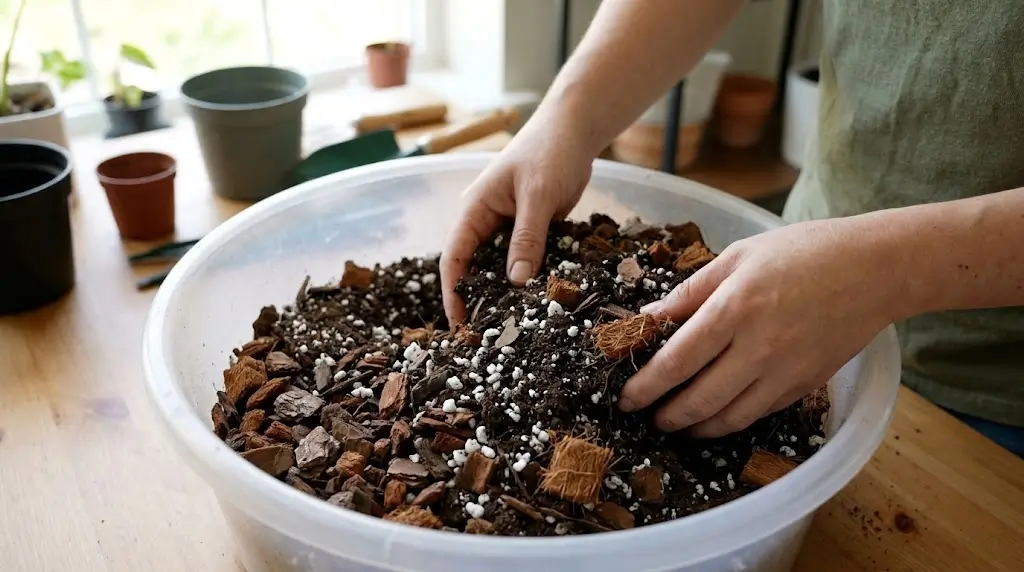
2. Prepare the Perfect Soil Mix
Dump your generic potting soil into a large bin and heavily amend it. A golden ratio for most indoor tropicals is 40% high-quality potting soil, 30% orchid bark for structure, 20% perlite for drainage, and 10% worm castings for organic nutrients. Mix this thoroughly until it is light, chunky, and airy.
3. Master the Repotting Process
Gently remove your new plant from its nursery pot and massage the root ball to loosen compacted dirt. Place a small layer of your fresh chunky mix at the bottom of the new pot (which should be no more than 2 inches larger than the root ball). Center the plant, fill in the sides, and gently tap the pot on the counter to settle the dirt. Do not pack it down tightly; roots need to breathe!
4. Integrate Smart Watering Technology
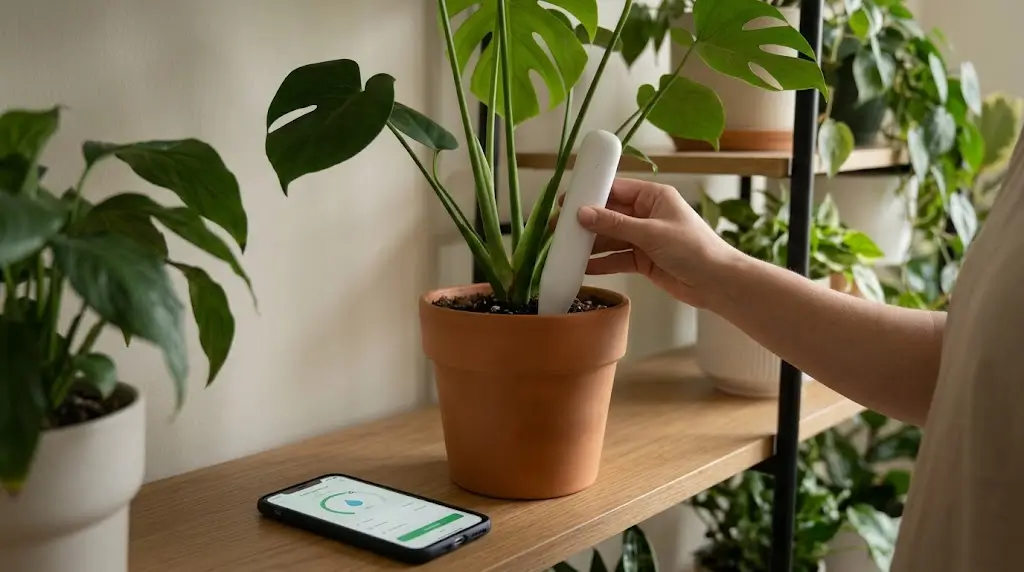
Insert your smart soil moisture probe directly into the root zone of your newly potted plant. Sync the device to your Wi-Fi network and set the threshold for that specific species. For example, a Calathea might need an alert when the soil is 40% dry, while a ZZ Plant should only trigger an alert when the soil reaches 10% moisture.
5. Establish a Feeding and Cleaning Routine
During the active growing season (Spring through early Fall), dilute your organic liquid fertilizer to half-strength and apply it every second watering. Every two weeks, take a damp microfiber cloth and gently wipe the dust off the top of the leaves. Clean leaves photosynthesize much more efficiently and naturally repel pests like spider mites.
Plant Requirements & Technical Specs
To keep your indoor jungle thriving, you must strictly adhere to the specific environmental and technical demands of tropical foliage:
- Sunlight Needs: Low light does not mean “no light.” Even shade-tolerant plants like Snake Plants require at least 50 to 100 foot-candles of light to survive. For robust growth, provide 400 to 800 FC.
- Watering Requirements: Always water thoroughly until liquid freely pours out of the bottom drainage holes, flushing out built-up mineral salts. Never let the pot sit in a saucer of stagnant runoff water.
- Ambient Humidity: Most houseplants originate in the jungle and prefer humidity levels between 50% and 70%. If your home drops below 40% in the winter, you must utilize a smart ultrasonic humidifier.
- Device Connectivity: Your smart grow lights and humidifiers should be connected to a dedicated 2.4GHz Wi-Fi band on your router, ensuring they can seamlessly follow automated sunrise/sunset scheduling without dropping off the network.
Alternative Methods & Eco-Friendly Options
If traditional soil gardening feels too messy or prone to pests, there are several highly sustainable and innovative alternative growing methods available:
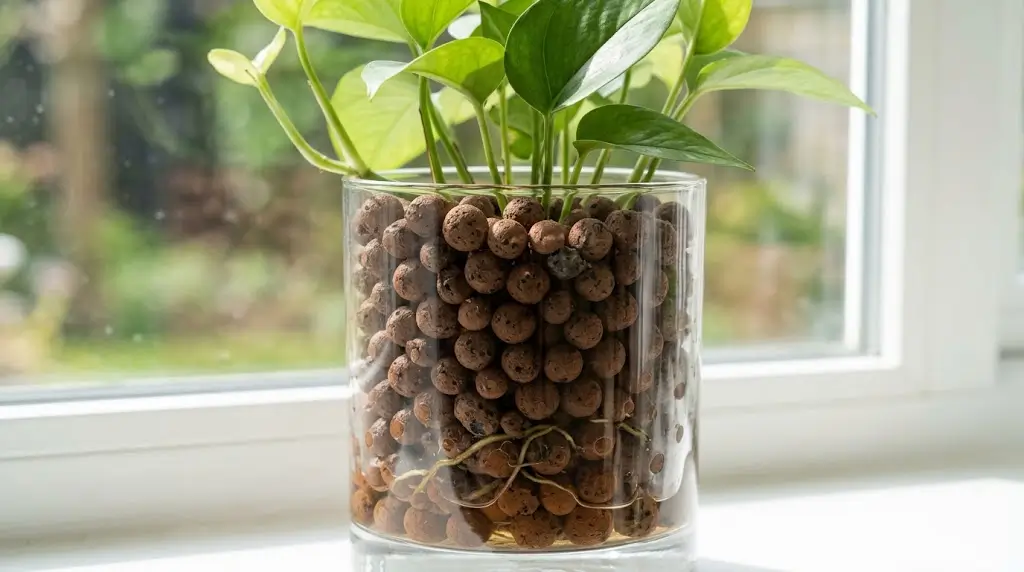
- Semi-Hydroponics (LECA): Ditch the dirt entirely and grow your collection in Lightweight Expanded Clay Aggregate (LECA). This passive hydroponic system uses a water reservoir and clay balls to deliver perfectly balanced moisture and nutrients to the roots, completely eliminating soil-borne pests like fungus gnats.
- Smart Self-Watering Planters: Utilize planters equipped with capillary wicks. These pots pull water up from a hidden bottom reservoir exactly as the plant needs it, creating an incredibly water-efficient, eco-friendly closed-loop system.
- Solar Window Chargers: Instead of constantly buying lithium batteries for your smart soil sensors and digital hygrometers, adhere small solar panels to your window glass to continuously trickle-charge your tech setup.
Placement and Companion Planting Suggestions
How you group and place your greenery drastically affects both the aesthetic appeal of your room and the biological health of the plants.
- The Microclimate Effect: Group humidity-loving companion plants close together. By clustering Calatheas, Ferns, and Marantas on a single decorative bench, their collective transpiration creates a localized canopy of high humidity, helping them survive dry indoor air.
- Strategic Placement: Avoid placing delicate tropicals directly in the path of HVAC vents, drafty entry doors, or active radiators. Rapid temperature fluctuations and blasts of dry AC air will cause the edges of the leaves to crisp and turn brown instantly. Place trailing vines like Philodendron Cordatum on high bookshelves to draw the eye upward and utilize vertical space.
Common Mistakes to Avoid
Even well-meaning plant parents often kill their collections with kindness. Avoid these critical, widespread horticultural errors:
- Overwatering (The Silent Killer): Watering on a strict “every Sunday” schedule is the fastest way to cause root rot. Soil dries at different rates depending on the season, temperature, and light. Only water when your finger (or your smart sensor) confirms the top two inches of the soil are completely dry.
- Ignoring Pest Inspections: Do not wait until a plant is completely covered in webbing to take action. Inspect the undersides of the leaves and the stems every time you water. Catching a mealybug or thrips infestation early makes it infinitely easier to eradicate with organic neem oil.
- Potting in Bins Without Drainage: Planting directly into a decorative ceramic pot without a drainage hole is a guaranteed death sentence. Water pools at the bottom, suffocating the roots in a toxic, anaerobic environment. Always use a nursery pot insert.
Maintenance and Long-Term Care Tips
To protect your botanical investment and keep your high-tech horticulture hub functioning seamlessly, implement these seasonal maintenance protocols:
- Annual Repotting Checks: Every spring, gently pull your plants out of their pots to inspect the root systems. If the roots are tightly swirling around the bottom in a dense circle (rootbound), it is time to upgrade to a pot that is two inches wider in diameter.
- Winterizing Your Routine: As the days get shorter in winter, plant metabolism slows down drastically. You must cut your watering frequency in half and stop applying all fertilizers until the spring sunshine returns, otherwise, you risk nutrient burn.
- Tech Calibration: Check the metal prongs of your smart soil sensors every six months. Wipe away any hard water scale or mineral buildup with white vinegar to ensure they continue providing perfectly accurate moisture readings to your smartphone.
Conclusion
Successfully growing indoor plants perfectly bridges the gap between hands-on natural horticulture and modern smart home technology. By mastering proper soil aeration, utilizing smart moisture sensors, and understanding critical lighting requirements, you can cultivate a flawless botanical sanctuary. Start building your smart jungle today and experience the difference!
FAQs
Why are the leaves on my plant turning bright yellow?
Yellow leaves are the most common symptom of overwatering and poor drainage. When roots sit in soggy, anaerobic soil, they drown and cannot deliver oxygen or nutrients to the foliage. Check the soil depth with your finger; if it is soaking wet, hold off on watering and consider repotting into a chunkier, better-aerated mix.
How do I get rid of the tiny black flies around my pots?
Those are fungus gnats, and they thrive in consistently moist, decaying organic matter. To eradicate them, let the top two inches of your soil dry out completely between waterings. You can also apply a biological control called Mosquito Bits (BTI) to your watering can, which naturally kills the gnat larvae in the soil without harming the plant.
Can I use a regular desk lamp to help my plants grow?
While a standard incandescent or warm LED desk lamp provides some illumination, it lacks the specific blue and red light spectrums required for robust photosynthesis. If your space lacks natural sunlight, you must invest in a dedicated, full-spectrum LED grow light to prevent your plants from becoming weak, leggy, and pale.